
Search the wiki
Browse the wiki
- New Starters
- CAVE Projects
- General
- Becoming a Better Artist
- Becoming a Better Artist #1001: Observation. Analysis. Practice.
- Becoming a Better Artist #1002: It ALWAYS seems impossible until it’s done
- Becoming a Better Artist #1003: Find the Time, Make an Effort, Do it Again
- Becoming a Better Artist #1004: Get Some Rest
- Becoming a Better Artist #1005: Engage your Brain
- Becoming a Better Artist #1006: Set your Boundaries
- Published File Naming Conventions
- CG Terminology
- Department Naming Conventions
- Recording Video and Audio for Tutorials
- Becoming a Better Artist
- Onset
- Data Acquisition
- Data Acquisition Training
- How Onset Data Acquisition fits into the VFX Pipeline and the Kit
- The Grey, the Chrome and the Macbeth Chart
- What Onset Data to Capture for Assets
- Shooting a HDRI Onset for CG Lighting
- Shooting a Panorama
- Shooting Texture and Look Development Reference
- Shooting Lens Grids
- Shooting Grain Reference
- Shooting Plates for VFX
- Data Acquisition Guidelines
- Data Acquisition Training
- Mocap
- Data Processing
- Data Acquisition
- Post-Production: Assets
- Assets – General
- Modelling
- Surfacing
- Look Development Workflow using Light Kit 1003
- Look Dev Workflow, the 1003 Studio Space, and the Importance of Calibration
- Working with the Material Development Light Rig 1003
- Working with the Prop Light Rig 1003
- COMING SOON! Working with the Character Light Rig 1003
- COMING SOON! Working with the 360 Light Rig 1003
- COMING SOON! Working with the Vehicle Light Rig 1003
- COMING SOON! Testing your Look Development in a Shot Context
- Material Naming Conventions
- Library Materials – Generic
- Surfacing Training
- Creating a Neutral Look Development Environment
- Customising the Maya Studio Look Dev and Lighting Environment 1003
- How to Use the Character Look Development and Lighting Rig 1003
- Setting up a PBR Metal/Roughness Shader
- Setting your Mid-Grey Value
- Skin and Eyes
- Working with the Automotive Material Pack in Unreal Engine
- Look Development Workflow using Light Kit 1003
- Rigging
- Post-Production: Shots
- Pipeline
- Production
- Reference
- RND
- Software
- Support
Prop: Lantern
Asset information for the prop, Lantern.
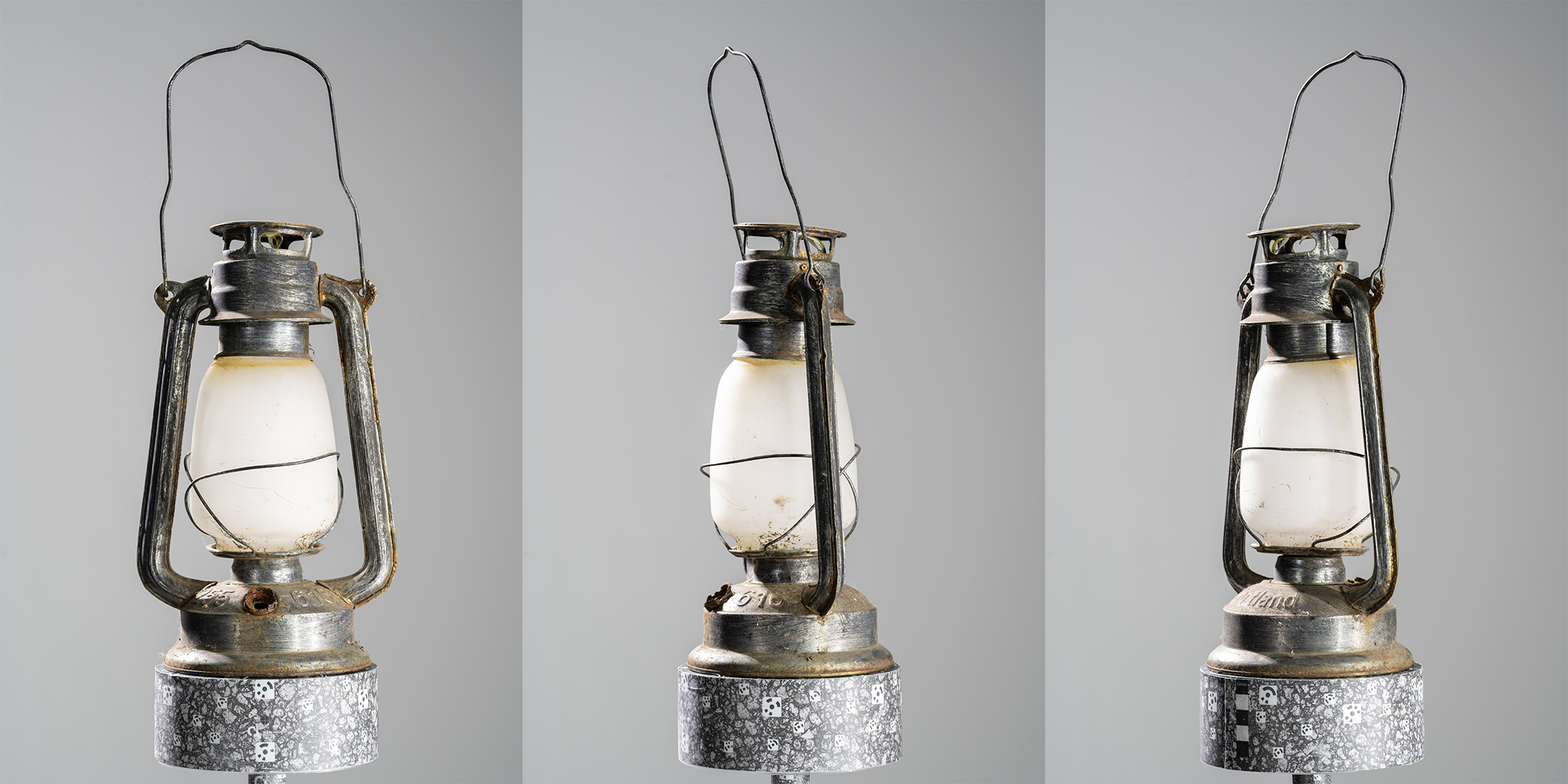
Asset requirements
| Project | CAVE, MPFVFX |
|---|---|
| Client Asset Name | Lantern |
| CAVE Asset Name | lantern |
| Description | This will be a hero asset and will be need to be suitable for extreme close up shots. |
| Asset Type | prop |
| Asset Path | …/asset/prp/lantern/ |
| Asset Stage Requirements | Model, Texture, Look Development |
| Base Mesh | n/a |
| LOD Requirements | tbc |
| Build for Deformation | Yes |
| Build for Simulation | No |
| Build for Destruction | Yes |
| Costume Requirements | n/a |
| Damage States | n/a |
| Measurements | tbc |
| Scan Data | Yes |
| Scan Path | .../published/sho/dtp/tbc/ |
| Model Maya Viewport Scene | .../tbc |
| Model Maya Render Scene | .../tbc |
| Model Nuke Contact Sheet | .../tbc |